Combat
Runes & chains
Understand elemental runes, bigger matches, and the cascades that keep your damage going.
The elemental runes
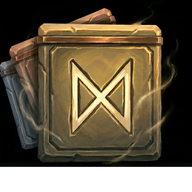
The standard board uses six elements: Fire, Frost, Earth, Sun, Lightning, and Water. Each has a distinct color and rune shape.
Your hero’s affinity can make certain elements more common. Charms and abilities can also reward matching a specific element.
Matching
Three or more identical runes in a horizontal or vertical line make a match. Diagonal lines do not count. Cleared runes leave space for the runes above them to fall.
Dragging swaps a rune along the row. You can use that movement to prepare more than one match, or to place a rune where an upcoming cascade will need it.
Combos
Matching four or more runes at once makes a combo. Think about how two lines can meet, or how a longer row can form before it clears.
Chains
When a falling rune completes a new match after a clear, the cascade continues as a chain. The important question is not only what you can match now, but what will be left above the gap.
Try arranging a second match while the first one resolves. Timing your swaps around falling runes is one of RuneShift’s central skills.
Healing runes
Healing blocks are special. They restore health when cleared and enter the board through healing-specific rules rather than the ordinary elemental pool. Some abilities interact with them, including Thor’s Chain Lightning.
Board hazards
Enemies can freeze, ignite, curse, or otherwise interfere with the board. Those effects change which moves are useful or safe. Watch enemy casts and learn which parts of your chain they threaten.
The best response depends on the enemy, the realm, and your hero. See Combat basics for the bigger picture.
Based on the development build. Details may change before launch.
Explore the wiki